
Springfield, Nehemiah Foundation and other entities collaborating on emergency warming shelter at the Salvation Army
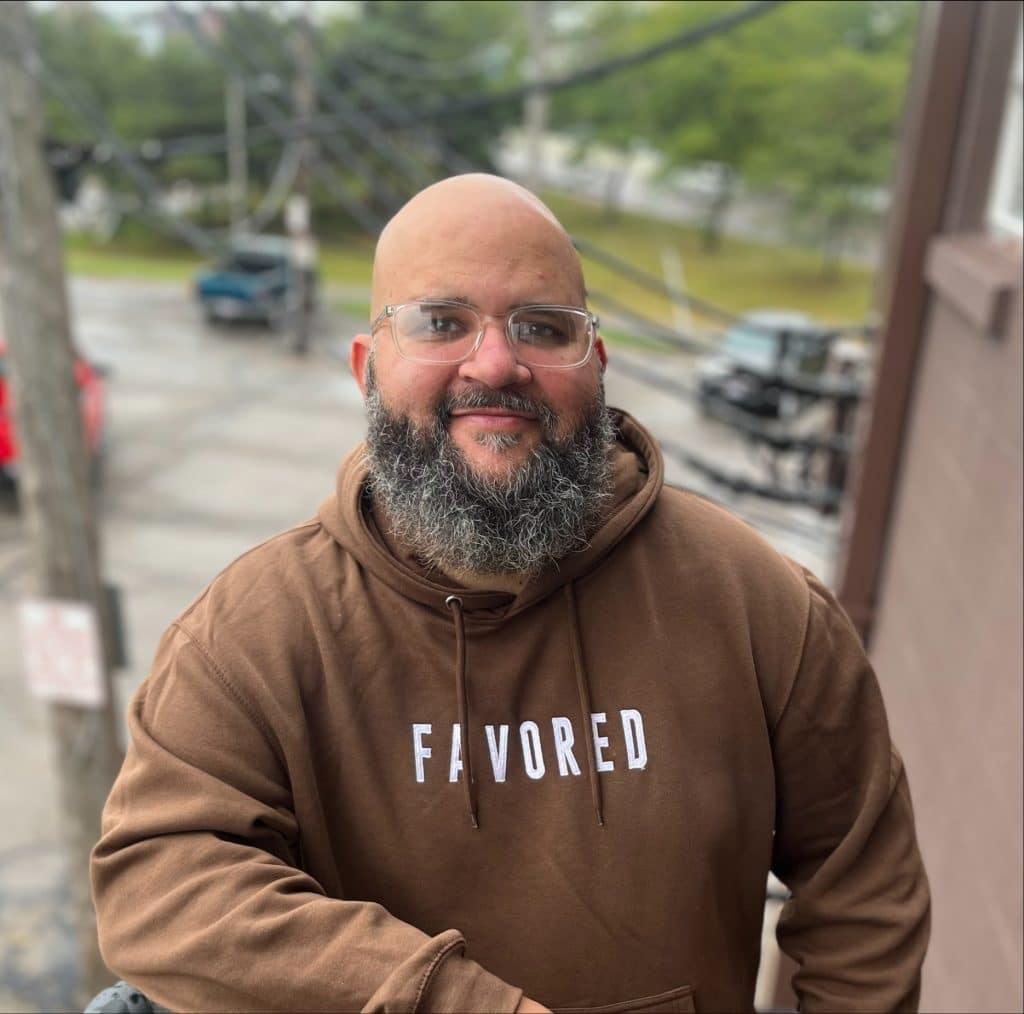
In a recent phone interview, Aaron Roy, the faith community crisis response director for the Springfield-based Nehemiah Foundation, used phrases such as “Love on our city” and “love our neighbors.”
You can’t help but absorb some of his positivity as he talks about the emergency warming shelter that, after a year without it, the faith-based, ministry-connecting nonprofit is again organizing in collaboration with the city, the Springfield Salvation Army, and fellow local nonprofit Sheltered Inc.
The roots of the effort date to 2020, Roy says, when, during the pandemic, officials from the city and Clark County approached Nehemiah about operating a warming shelter, which it did at High Street Church in Springfield.
“In 2020, there was a 350 percent increase in our unsheltered population,” he says, “so that’s how we, as an organization, began to work and serve in this particular space.”
Then, he adds, the shelter was only for extremely cold stretches.
“We would only spin up when it was zero degrees or lower,” he says. “I think that first year we spun up three times, and that was for anywhere from three to seven days at a time.”
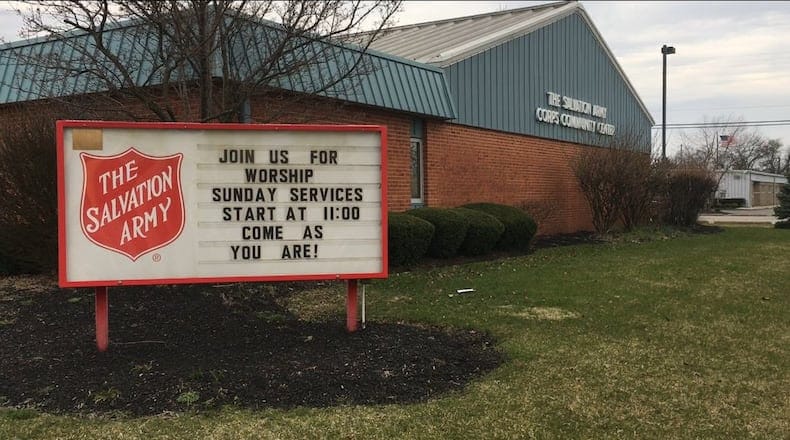
In the years that followed, the shelter relocated to the Salvation Army building on South Plum Street.
“It has showers and is a wonderful building as far as access to it and its location,” Roy says. “Also, it’s up to code.”
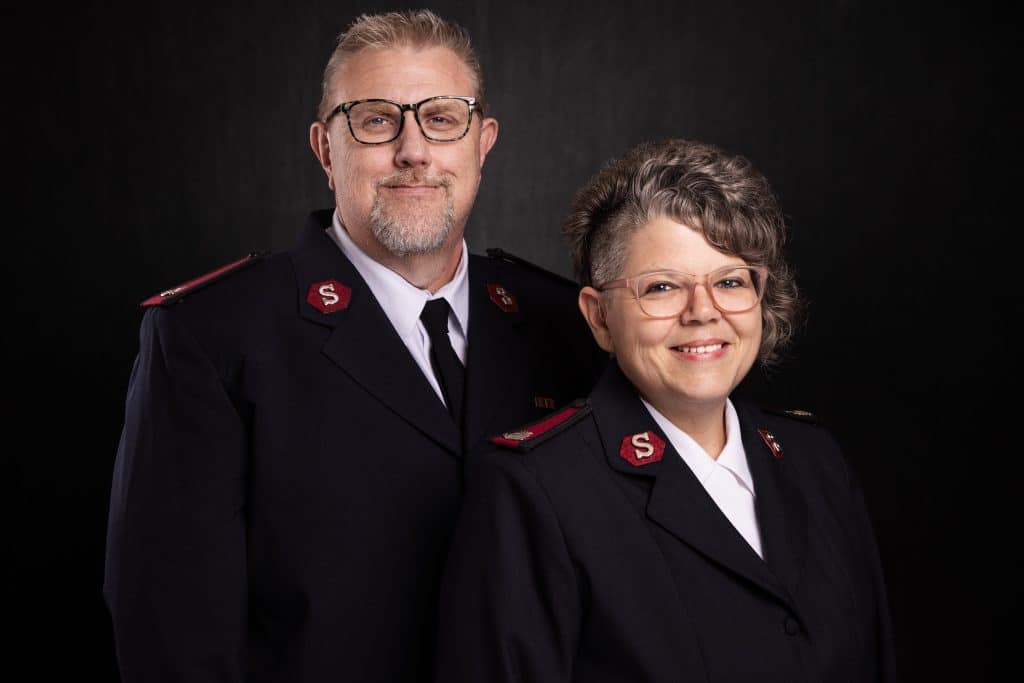
He says the shelter did not operate there last year due to the Salvation Army being in the midst of a leadership change. Community member Barron Seelig stepped up to fill the void by establishing a shelter on South Fountain Avenue last year. Now, with Majors David and Pamela Rhodes at the helm, the Salvation Army warming shelter will be ready to open again this year.
“We’re excited to be able to provide a space to make sure that people are safe and people are warm this winter,” says David, who, with his wife, took over leadership duties in June. “We’re grateful for the collaboration with Aaron and the Nehemiah Foundation because without them, we don’t have the staff to handle that kind of thing.”
The project also evolved so that the shelter would operate when temperatures dropped into single digits, Roy says.
“We always felt we wanted to be a warming shelter that was operating more frequently because of the need, and so this year, thankfully, we’re able to spin up and get things going when it is 32 degrees or below,” he says.
The shelter’s operating hours will be 6 p.m. to 8 a.m. when it’s 32 to 10 degrees, with those who make use of it directed to warming centers in the city during daytime hours, Roy says. When it’s colder than that, the shelter will run 24 hours per day.
Roy points out the shelter won’t be available for what are expected to be only brief dips below 32 degrees.
“We use the NASA weather reports because they can give us a 10- to 14-day window that’s usually pretty accurate.”
So how often does his team expect to be operating this shelter over the coming months?
“We have no idea,” he says. “One thing I’ve learned from living in Ohio the last seven years is that it’s one of the most unpredictable weather systems.”
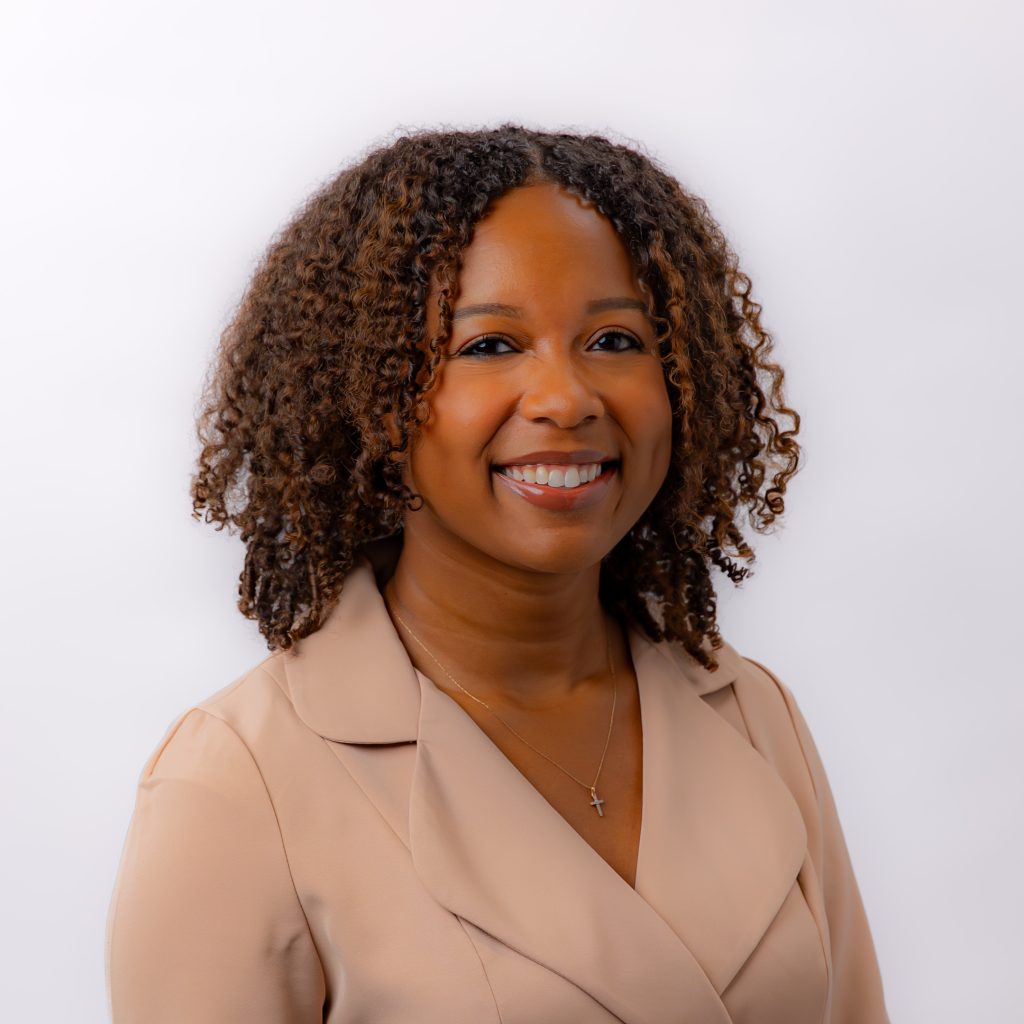
This year, the city is providing $28,500 from Community Development Block Grants to aid in the operation, says Logan M. Cobbs, Springfield’s director of community development, during a separate call.
“We know that housing insecurity doesn’t happen in isolation,” she says. “It’s tied to health and income and access to services. But by us, as the city, and many partner organizations supporting programs like this, we’re building bridges between emergency support and long-term stability. Our ultimate goal is always to have people moving toward housing and employment, and this is just one of those efforts.”
While the city’s funds are useful for security and other operational expenses, Roy says the effort wouldn’t be possible without more than 100 volunteers donating their time and various attributes. Much of the volunteer work goes to ensuring those using the shelter can have a warm meal and access to snacks.
“One of the things we’re famous for is we love to feed people,” Roy says. “A lot of our meals come from people who are, you know, bringing in breakfast casseroles and things like that.”
He added that food donations have come from businesses, including the Olive Garden and Frisch’s Big Boy.
The shelter can serve about 150 people at a time, but it’s never run out of capacity, Roy says, chalking that up largely to the niche it serves.
“What we’re talking about when we’re having an emergency warming shelter is for what is called our ‘chronically unsheltered,’ meaning these are individuals who aren’t necessarily interested in accessing shelter for whatever reasons, whether it’s curfews or maybe they’re struggling with substance abuse or things like that,” he says. “We are a safe place for them to come because we’re a low-barrier shelter.”
From there, though, the aim is to help them more substantially, in large part via the case-management work on site provided by Sheltered Inc., Roy explains
“The goal is to get them into the shelter so they can have more wraparound care,” he writes. “The warming shelter will always be available for those who need it, but if we can get them into a more permanent shelter situation, with case management, that is ideal.”
Also, if needed, Nehemiah can enlist the services of Mercy Health — Springfield Regional Medical Center or a mobile mental health services provider, Roy says.
“I think the warming shelter is a reflection of what makes Springfield special,” Cobbs says. “It’s really many partner agencies coming together.”
As you’d expect, Roy also emphasizes the positive.
“It’s been a wonderful opportunity to get to know our unsheltered neighbors and to care for them and to hear their stories,” he says, “and for them to hear our stories.”
Related Articles
Ohioans rally in Springfield to support Haitians after Supreme Court ruling
Springfield experienced a shrinking population for decades as manufacturing jobs disappeared, but Haitian immigrants have grown Clark County’s workforce by more than 10,000 workers.
Springfield, Columbus bracing for impact after Supreme Court ruling on Haitian TPS
Many Haitians and advocates expect United States Immigration and Customs Enforcement will do raids in Springfield and other cities with a big Haitian population.

TPS limbo puts financial strain on Springfield’s Haitians, slows down their businesses
Food insecurity, housing instability, declining small business revenue, and exit planning reshape daily life as families navigate legal and financial uncertainty.

